YouTube: 10 Proven Ways to Grow, Monetize, and Succeed Fast.
Introduction
The platform has developed into a world of opportunities rather than just a place to watch videos. Every day, millions of people use it for communication, education, entertainment, and even financial gain. This website offers a plethora of opportunities, whether you’re producing content to share your passion or watching videos.
It can be a doorway to notoriety, power, and financial independence in the modern digital world. Making videos for the internet has allowed many people to make their pastimes their full-time jobs. Anyone can expand their audience and make money on the platform with imagination, perseverance, and astute tactics.
What Is YouTube?
Google owns the biggest video-sharing website in the world, which lets users upload, view, and share videos for free. It has developed into a potent social and media network since its 2005 launch, with billions of users interacting with its content every day.
The platform covers every possible niche, from reviews, music videos, and tutorials to documentaries and live streaming. It is a place where opportunity and creativity coexist. Anyone can launch a channel and reach a worldwide audience if they have a smartphone and an internet connection.
How to Earn Through YouTube

Monetizing YouTube is the dream of many creators, and it’s absolutely achievable with the right approach. Here are the most effective ways to earn money on YouTube:
1. Partner Program
The Partner Program is the most popular method of earning. You can apply for monetization once your channel reaches the eligibility requirements of 1,000 subscribers and 4,000 hours of public viewing. Your videos’ advertisements generate revenue, and you get paid according to views, clicks, and interaction. Your revenue will increase as you create more high-quality content.
2. Channel Memberships
After reaching 30,000 subscribers, you can enable memberships. Viewers pay a monthly fee for perks like exclusive badges, emojis, or members-only content. This creates a steady income and strengthens audience loyalty.
3. Super Chat and Super Stickers
During live streams, fans can pay to highlight messages with Super Chat or Super Stickers. This allows direct engagement and is one of the most interactive ways to earn.
4. Affiliate Marketing
Promoting products through affiliate links in your videos is another smart income stream. When viewers purchase through your link, you earn a commission. Many creators use platforms like Amazon Associates or ClickBank for consistent earnings.
5. Sponsored Videos
Brands collaborate with creators to promote products or services. Sponsorships can be highly profitable, especially with a loyal audience. Always choose deals that align with your content and values to maintain trust.
6. Selling Merchandise
Creators often sell branded merchandise such as T-shirts, mugs, or digital products. Platforms even allow a merchandise shelf under your videos, making it easy to monetize your brand.
7. Online Courses or Coaching
If you have expertise in a particular area, you can offer courses, coaching, or consulting to your audience. Many creators in niches like fitness, design, marketing, or tech succeed with this model.
8. Shorts Fund
Short-form videos under 60 seconds, designed to compete with TikTok and Instagram Reels, can generate revenue through the Shorts Fund. Even small creators can earn if their content gains traction.
9. Crowdfunding and Donations
Platforms like Patreon, Buy Me a Coffee, or Ko-fi let creators receive direct support from fans. This model allows smaller channels to earn without relying solely on ads.
10. Premium Revenue
When subscribers of premium services watch your videos, you earn a portion of their subscription fee. This ensures creators can generate income even without ads.
Key Features of YouTube
YouTube isn’t just popular — it’s powerful because of its features that make content creation simple and rewarding. Let’s explore some of the key features that define the platform:
1. Free Video Hosting
The platform lets creators upload unlimited videos for free, removing storage and hosting costs. Anyone with a camera and an idea can start a channel.
2. Search and Discovery
As the world’s second-largest search engine, it recommends videos based on user behavior, helping creators reach the right audience organically.
3. Analytics Dashboard
The studio provides insights into views, watch time, subscriber growth, and engagement, helping creators refine their content strategy.
4. Community Tab
This feature allows posting updates, polls, images, and text to engage subscribers beyond videos, building loyalty.
5. Playlists and End Screens
Organize content with playlists and guide viewers to more videos with end screens or cards, boosting watch time and channel growth.
6. Shorts
Short vertical videos (up to 60 seconds) attract attention quickly and reach mobile audiences effectively.
7. Live Streaming
Connect with viewers in real-time through live streams, allowing interaction via chat, Q&A, and donations.
8. Monetization Tools
Creators can earn via ads, memberships, Super Chat, premium subscriptions, and sponsorships, creating multiple income streams.
9. Content Management
The platform simplifies editing, copyright management, and thumbnail creation, streamlining the publishing process.
10. Global Accessibility
It’s available in 100+ countries and supports 80+ languages, allowing creators to reach a worldwide audience.
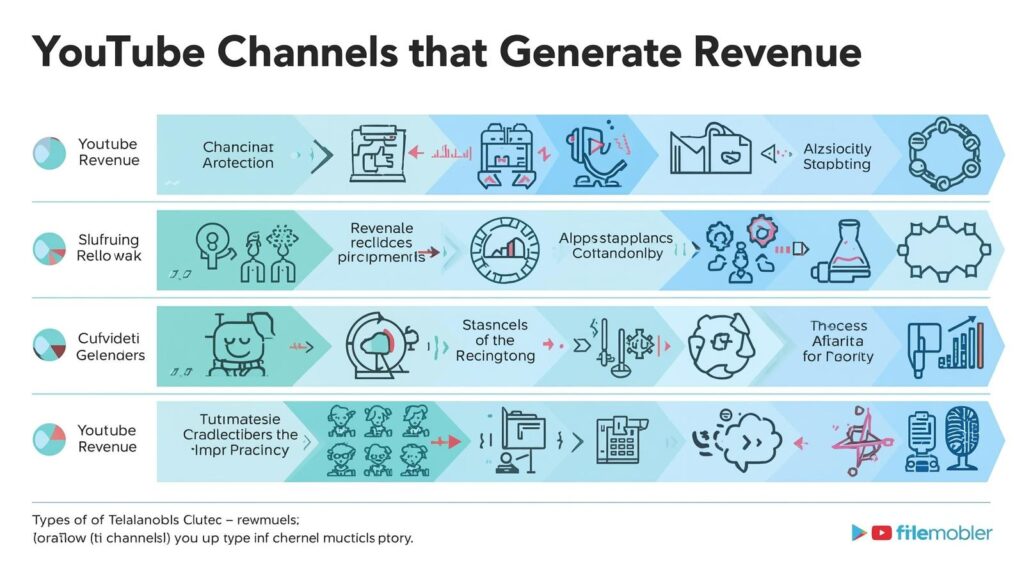
Types of YouTube Channels That Make Money
Not all YouTube channels earn the same way. Some thrive on entertainment, while others focus on education or reviews. Below are some of the most profitable and popular types of channels in 2025:
1. Educational Channels
Whether they teach coding, language acquisition, or finance, creators who impart knowledge are valuable in the long run. Since knowledge never goes out of style, educational content continues to garner views for years.
Channels like Ali Abdaal, CrashCourse, and Khan Academy are a few examples.
2. Gaming Channels
Gaming remains one of YouTube’s biggest niches. Live streams, playthroughs, and commentary attract millions of viewers. Monetization comes from ads, sponsorships, and game affiliate links.
3. Tech Review Channels
Tech channels reviewing smartphones, gadgets, and software updates are in constant demand. As technology advances rapidly, people rely on YouTubers like Marques Brownlee (MKBHD) or Linus Tech Tips for trusted opinions.
4. Lifestyle and Vlogs
Personal vlogs and lifestyle content attract audiences who connect with creators on a personal level. These channels can earn through brand sponsorships, affiliate links, and product collaborations.
5. Beauty and Fashion
Makeup tutorials, skincare routines, and fashion hauls dominate the lifestyle niche. Many creators partner with beauty brands or launch their own products after building trust with audiences.
6. Finance and Investment
With global interest in personal finance rising, creators discussing saving, investing, and crypto have become highly influential. Channels like Graham Stephan and Andrei Jikh prove that finance content can attract millions of loyal viewers.
7. Motivational and Self-Improvement
These channels focus on mindset, productivity, and personal growth. Viewers come for inspiration and guidance — making them perfect for digital product sales and sponsorships.
8. Kids’ Content
Children’s entertainment and education channels generate massive viewership. However, they require strict compliance with YouTube’s child-safety guidelines.
9. Music and Entertainment
Musicians, comedians, and filmmakers use YouTube to publish their art. Monetization here often comes from streaming, brand deals, and fan support.
10. News and Commentary
With YouTube becoming a primary source of information, independent journalists and commentators are gaining massive influence. These channels earn through ads, memberships, and sponsored discussions.
Tips to Grow on YouTube in 2025

Growing on YouTube is not about luck — it’s about strategy, timing, and consistency. Here are some proven techniques that help creators stand out in 2025:
- Focus on Quality, Not Quantity: Uploading fewer but well-edited videos with high-quality thumbnails and titles is better than posting daily low-effort content.
- Use SEO Strategically: Research keywords with tools like TubeBuddy or VidIQ. Include them in your title, description, and tags.
- Hook Viewers in the First 10 Seconds: The first few seconds decide whether viewers stay or leave. Start with a strong question, surprise, or value promise.
- Maintain a Consistent Schedule: YouTube rewards consistency. Uploading at the same time each week builds trust with your audience.
- Engage with Your Audience: Reply to comments, use the Community tab, and take viewer feedback seriously. Engagement increases algorithmic reach.
- Use Captions and Translations: Multilingual captions expand your audience globally and improve accessibility.
- Collaborate with Other Creators: Collaborations expose your channel to new audiences and boost credibility.
- Create Playlists for Watch Time: Group similar videos to encourage binge-watching — YouTube’s algorithm favors longer viewing sessions.
- Track Analytics Weekly: Use YouTube Studio to see what’s working. Monitor click-through rates, retention, and audience demographics.
- Keep Learning: YouTube trends evolve constantly. Follow updates from YouTube Creators and adapt your strategy regularly.
Common Mistakes New YouTubers Make
Even passionate creators can struggle if they make certain avoidable mistakes. Here are the most common pitfalls — and how to avoid them:

- Inconsistent Posting: Long gaps between uploads kill momentum. Schedule content ahead of time.
- Ignoring Thumbnails and Titles: These are your first impression. Always use bright, readable, and emotionally engaging thumbnails.
- Focusing Only on Monetization: Money shouldn’t be the first goal. Build trust and quality first — revenue follows.
- Not Engaging with the Community: Replying to comments and building relationships makes audiences feel valued.
- Neglecting Audio Quality: Poor sound can ruin even great videos. Invest in a good microphone before upgrading cameras.
- Copying Others: Inspiration is fine, imitation is not. YouTube rewards originality and niche identity.
- Giving Up Too Soon: Many creators quit before the algorithm starts rewarding them. Stay patient — growth compounds with time.
The Future of YouTube
As we move deeper into the age of AI and virtual media, YouTube’s future looks brighter than ever. Several major changes are shaping its evolution:
- AI-Powered Creation Tools: YouTube is testing AI-assisted editing, automatic dubbing, and content suggestions to help creators make videos faster.
- Improved Monetization Options: Expect new earning models like micro-subscriptions, integrated digital stores, and AI-driven sponsorships.
- Integration with Google Search: YouTube videos now appear more frequently in Google results, driving even higher visibility.
- Rise of Short-Form Video: YouTube Shorts will continue competing with TikTok, but its deeper analytics and monetization make it more sustainable for creators.
- Enhanced Viewer Interaction: Livestreams, polls, and real-time comments will become more dynamic, creating stronger creator-fan relationships.
- Virtual Reality (VR) and 360° Content: As VR becomes mainstream, YouTube will remain the central hub for immersive video experiences.
- Educational Partnerships: YouTube’s collaboration with schools and universities will grow, offering verified courses and certificates in various fields.
In short, YouTube’s next decade will blur the lines between entertainment, education, and entrepreneurship. It will remain the beating heart of global digital culture.
Powerful YouTube Success Stories
To understand YouTube’s real potential, let’s look at creators who transformed their lives through it:
- MrBeast (Jimmy Donaldson): Started with simple videos as a teenager and now runs a multi-million-dollar brand empire using YouTube as his core platform.
- Emma Chamberlain: Turned authentic lifestyle vlogging into a global brand, leading to coffee businesses and fashion collaborations.
- Marques Brownlee (MKBHD): From filming tech reviews in his bedroom to interviewing Elon Musk and Bill Gates, YouTube launched his career as a global tech authority.
- Lilly Singh: Built a comedy channel that led to a TV show, book deals, and a massive media career.
- Ali Abdaal: A doctor who transitioned to full-time creator and educator — now running one of the most respected self-improvement brands online.
My Thoughts on YouTube
This platform is among the most innovative ever developed, in my opinion. Everyone now has an equal chance to succeed, regardless of background or location, thanks to the democratization of fame, knowledge, and income.
The people behind it are just as powerful as the technology. Every day, millions of creators inspire, educate, and amuse others by sharing their voices. It’s a dynamic ecosystem propelled by imagination and inquiry.
Although it’s not simple, earning money on the platform is possible. Success requires dedication, patience, and originality. Three pillars, in my opinion, support it: authenticity, value, and consistency.
Growth and recognition will come from posting frequently, offering real value, and remaining loyal to who you are. All of today’s greatest creators began modestly, with just a basic camera, a dream, and an idea.
This platform will keep changing as we look to 2025 and beyond. It is poised to maintain its position as the leader in digital content thanks to AI, improved monetization tools, and a global presence.
Conclusion
YouTube is a community, a stage, and a career path in addition to being a platform for videos. It enables anyone to express their creativity, share it, and profit from it. YouTube provides you with the resources to teach, entertain, and inspire.
The earning potential is endless, ranging from sponsorships and ad revenue to memberships and merchandise. But making connections, exchanging ideas, and creating something worthwhile are the true rewards.
To put it briefly, YouTube enables people to make money from their passions. You can turn your YouTube journey into a profitable and satisfying endeavor with the correct approach, perseverance, and inventiveness.
FAQs:
Q1. What is YouTube?
YouTube is a global video-sharing platform where users can upload, watch, and share videos for free. Creators can build an audience, share content, and earn money.
Q2. How can I earn money on YouTube?
You can earn through ads, channel memberships, Super Chat, merchandise, affiliate marketing, sponsored videos, YouTube Premium revenue, and the Shorts Fund.
Q3. What is the YouTube Partner Program (YPP)?
It’s a program that allows creators to monetize their content. Once approved, you earn from ads, memberships, and YouTube Premium.
Q4. What are the requirements to join YPP?
You need 1,000 subscribers and either 4,000 public watch hours in 12 months or 10 million Shorts views in 90 days.
Q5. How do I apply for monetization?
Go to YouTube Studio → Monetization → Apply and link your AdSense account. YouTube will review your channel for compliance.
Q6. How long does it take to get approved?
Typically, around 30 days, depending on YouTube’s review process.
Q7. What are channel memberships?
Channel memberships let subscribers pay a monthly fee for perks like exclusive badges, emojis, or members-only content, creating a steady income stream.
Q8. How do Super Chat and Super Stickers work?
During live streams, viewers can pay to highlight messages or send animated stickers. This allows real-time support and engagement.
Q9. Can I earn from affiliate marketing on YouTube?
Yes. You can promote products in your videos, include affiliate links, and earn a commission whenever viewers purchase through your link.
Q10. What are sponsored videos?
Brands pay creators to promote products or services. These can be highly profitable, especially if your audience is engaged and loyal.
Q11. Can I sell merchandise on YouTube?
Yes. You can sell T-shirts, mugs, or digital products. YouTube even offers a Merch Shelf for direct integration under videos.
Q12. How do YouTube Shorts generate income?
YouTube pays creators from the Shorts Fund for popular short videos. Shorts can also attract new subscribers and sponsorship opportunities.
Q13. Does YouTube Premium generate revenue?
Yes. You earn a share of the subscription fee when Premium members watch your content, even if ads aren’t shown.
Q14. Can I earn on YouTube without showing my face?
Absolutely. You can create voiceover, animation, screen recordings, tutorials, or stock video content and monetize it.
Q15. Is it possible to make YouTube a full-time career?
Yes. With consistent uploads, high-quality content, and multiple monetization methods, creators can turn YouTube into a sustainable full-time income.

Post Comment