What is freelancing:

The Ultimate Guide to Freelancing: How to Build a Successful Freelance Career in 2025

What is Freelancing?
Introduction
Freelancing is a modern and flexible work model where individuals provide their skills and services to clients on a project or contract basis instead of working full-time for a single company. This freedom allows professionals to work independently and manage their own careers.
Who is a Freelancer?
A freelancer is a self-employed professional who enjoys the flexibility of choosing projects, setting their own schedules, and deciding which clients to collaborate with. Unlike traditional employees, freelancers are not tied to one employer and can work with multiple clients at the same time.
Why is Freelancing Popular?
Freelancing has become increasingly popular in recent years because it allows professionals to break free from the rigid 9-to-5 job structure. With remote work opportunities and global clients, freelancers can earn money online, enjoy better work-life balance, and have control over their careers.
Popular Industries for Freelancers
Freelancers today are active in a wide range of industries, such as:
- Content Writing & Copywriting
- Graphic Design & Video Editing
- Programming & Web Development
- Consulting & Coaching
- Digital Marketing & SEO
- Virtual Assistance & Data Entry
Why Freelancing is Growing in 2025

1. Remote Work Becoming the Norm
In 2025, remote work is no longer an exception—it’s standard practice. Companies that once relied only on in-office staff now prefer hiring freelancers for specialized roles, saving costs and gaining flexibility.
2. Expansion of the Gig Economy
Freelancing platforms like Upwork, Fiverr, and Toptal have made it easy for clients and freelancers to connect. These platforms simplify job searches, offer secure payment methods, and provide global exposure to skilled professionals.
3. Global Collaboration Without Barriers
Geographical limitations are no longer an obstacle. A freelancer in India or Pakistan can work for a company in the US or Europe with the same ease as working for a local client, thanks to digital connectivity.
4. Role of Technology and AI
Advanced digital tools and AI-powered systems have improved communication, project management, and payment processes. This efficiency makes freelancing more reliable for both businesses and freelancers.
5. Freelancing as a Mainstream Career
With rising opportunities, global collaboration, and technology-driven ease, freelancing has shifted from being a side hustle to a stable and sustainable career option in 2025.
Benefits of Freelancing
1. Flexible Work Hours
One of the biggest advantages of freelancing is the freedom to set your own schedule. Freelancers are not tied to a strict nine-to-five routine, allowing them to work during their most productive hours. This flexibility makes it easier to maintain a healthy work-life balance compared to traditional jobs.
2. Unlimited Earning Potential
Freelancers are not limited by fixed salaries. Their income depends on their skills, experience, and the number of projects they handle. Those with expertise in high-demand fields can often earn more than they would in a full-time corporate role.
3. Variety of Work Opportunities
Instead of repeating the same tasks every day, freelancers can take on projects from different industries. This variety keeps the work engaging and helps them grow faster by facing new challenges and gaining diverse experiences.
4. Faster Skill Development
Working with multiple clients exposes freelancers to different tools, workflows, and expectations. This accelerates their learning curve and allows them to build a broader skill set compared to a traditional job.
5. Location Independence
Freelancers are not tied to one location. With just a laptop and an internet connection, they can work from home, in a café, or even while traveling abroad, enjoying true freedom of mobility.Challenges of Freelancing
Challenges of Freelancing

1. Inconsistent Income
One of the biggest hurdles freelancers face is irregular earnings. Unlike salaried employees who receive a steady monthly paycheck, freelancers may see income rise and fall depending on the flow of projects.
2. Difficulty in Client Acquisition
Securing clients—especially for beginners—can be tough. Building trust, establishing a reputation, and competing with experienced freelancers requires time and consistent effort.
3. Lack of Employment Benefits
Traditional employees often enjoy perks like health insurance, paid leave, and retirement plans. Freelancers, on the other hand, must manage these on their own, which can add financial and administrative pressure.
4. Time Management Challenges
Handling multiple projects at once, meeting strict deadlines, and delivering consistent quality demand strong organizational and time management skills. Without discipline, freelancers can easily feel overwhelmed.
5. Responsibility for Self-Growth
Unlike in corporate jobs where training is provided, freelancers are responsible for upgrading their skills, managing finances, and ensuring career growth independently.
6. Overcoming the Obstacles
Despite these challenges, freelancing can be rewarding. With proper planning, professionalism, and persistence, freelancers can manage risks and build long-term success.Step-by-Step Guide to Starting a Freelancing Career
Step-by-Step Guide to Starting a Freelancing Career
1. Identify Your Skills
The first step is to recognize what you can offer. Freelancers thrive when they focus on their strengths, whether it’s writing, graphic design, web development, translation, or digital marketing. Knowing your expertise helps you position yourself as a specialist.
2. Build a Strong Portfolio
Clients want proof of your abilities before hiring you. Create sample projects, showcase past work, or build a personal website to highlight your skills. A solid portfolio builds trust and increases your chances of landing clients.
3. Choose the Right Freelance Platforms
Sign up on platforms like Upwork, Fiverr, Freelancer.com, and Toptal to find job opportunities. LinkedIn is also valuable for networking and securing freelance projects directly from professionals and businesses.
4. Set Your Rates
Pricing your services correctly is essential. Many beginners start with lower rates to attract clients, then gradually increase prices as they gain experience, credibility, and positive reviews.
5. Write Personalized Proposals
Avoid sending generic pitches. Instead, tailor each proposal to the client’s needs by explaining how your skills can solve their specific problems. Personalized proposals stand out and improve your chances of being hired.
6. Deliver Quality Work on Time
Reliability is key in freelancing. By consistently delivering high-quality work within deadlines, you build long-term relationships. Satisfied clients often return with more projects or refer you to others.
7. Secure Payments and Use Contracts
Always ensure your payment process is safe. When working outside freelance platforms, use contracts to protect both yourself and the client. This helps prevent disputes and ensures smooth collaboration.
SEO and Marketing Tips for Freelancers
1. Optimize Your Freelance Profiles
Use relevant keywords such as “freelance content writer,” “SEO specialist,” or “freelance web developer” in your profiles. This improves visibility and helps clients find your services easily.
2. Create a Personal Website or Blog
Having your own website showcases your expertise and attracts organic leads. It also builds credibility and gives clients a professional way to learn more about you.http://www.aiaearning.com
3. Leverage Social Media and LinkedIn
Social platforms—especially LinkedIn—are powerful tools for personal branding. Share your work, join discussions, and connect with potential clients to increase exposure.
4. Collect Testimonials and Reviews
Positive feedback from past clients acts as social proof. Testimonials and ratings strengthen your reputation and make it easier to win new projects.
5. Network in Freelancing Communities
Engage in online groups, forums, and freelancing communities. Networking often leads to collaborations, referrals, and new job opportunities.
Common Mistakes Freelancers Should Avoid
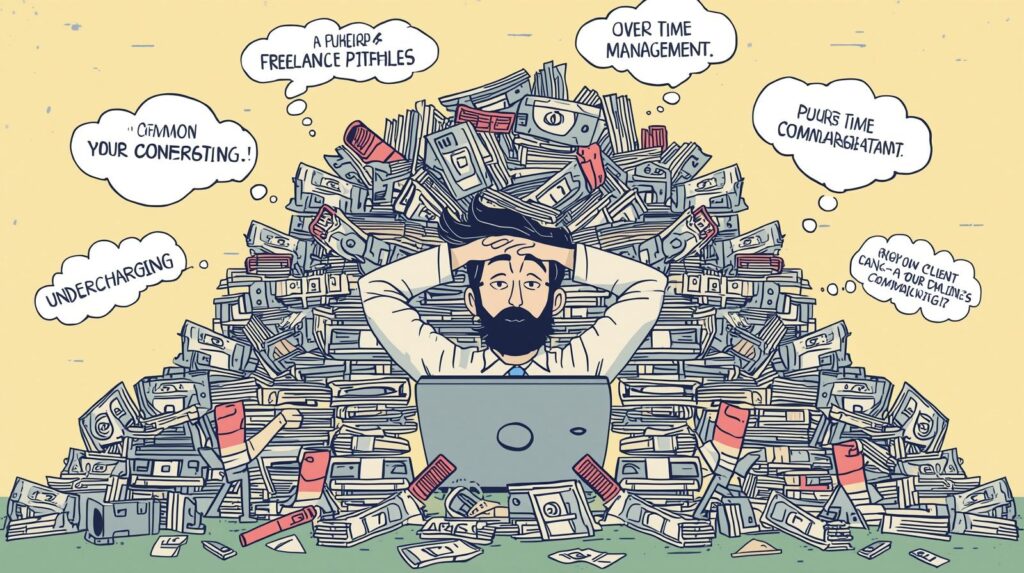
1. Undervaluing Services
Charging too little may help attract clients at first, but it can lead to burnout and financial instability. Always price your services based on skills and value.
2. Accepting Every Project
Not every project is a good fit. Taking on work outside your expertise can lead to poor results and dissatisfaction. Focus on projects that align with your goals.
3. Poor Communication
Clear, professional communication is essential. Misunderstandings with clients can be avoided by setting expectations and keeping them updated regularly.
4. Ignoring Financial Planning
Many freelancers forget about budgeting for taxes, savings, and business expenses. Proper financial management ensures long-term stability.
5. Neglecting Personal Branding
Without online visibility, growth opportunities are limited. Consistently promoting your services is just as important as delivering quality work.
The Future of Freelancing

1. Growing Workforce
By 2030, freelancers are expected to make up more than half of the global workforce, driven by AI, automation, and remote-first companies.
2. Smarter Freelance Platforms
Future platforms will use AI-powered tools to match freelancers with clients more effectively, saving time and improving job opportunities.
3. Emerging Niches
New industries such as AI training, virtual reality design, and cybersecurity consulting are opening up opportunities for skilled freelancers.
4. Lifelong Learning is Key
Freelancers who consistently upgrade their skills and adapt to market changes will remain competitive and in high demand.
Conclusion
Freelancing has evolved from a side hustle into a mainstream career path, offering flexibility, financial independence, and global reach. Success requires identifying skills, building a strong portfolio, choosing the right platforms, and maintaining professionalism.
As we move deeper into 2025 and beyond, freelancing will continue to grow and reshape the future of work. For those seeking freedom, career flexibility, and meaningful projects, freelancing presents the perfect opportunity. The best time to start is now—take control of your career and build your future on your own terms.



Post Comment