Blog: 3 Proven Tips to Grow Your Digital Presence in 2025
Introduction
Understanding the Meaning of a Blog
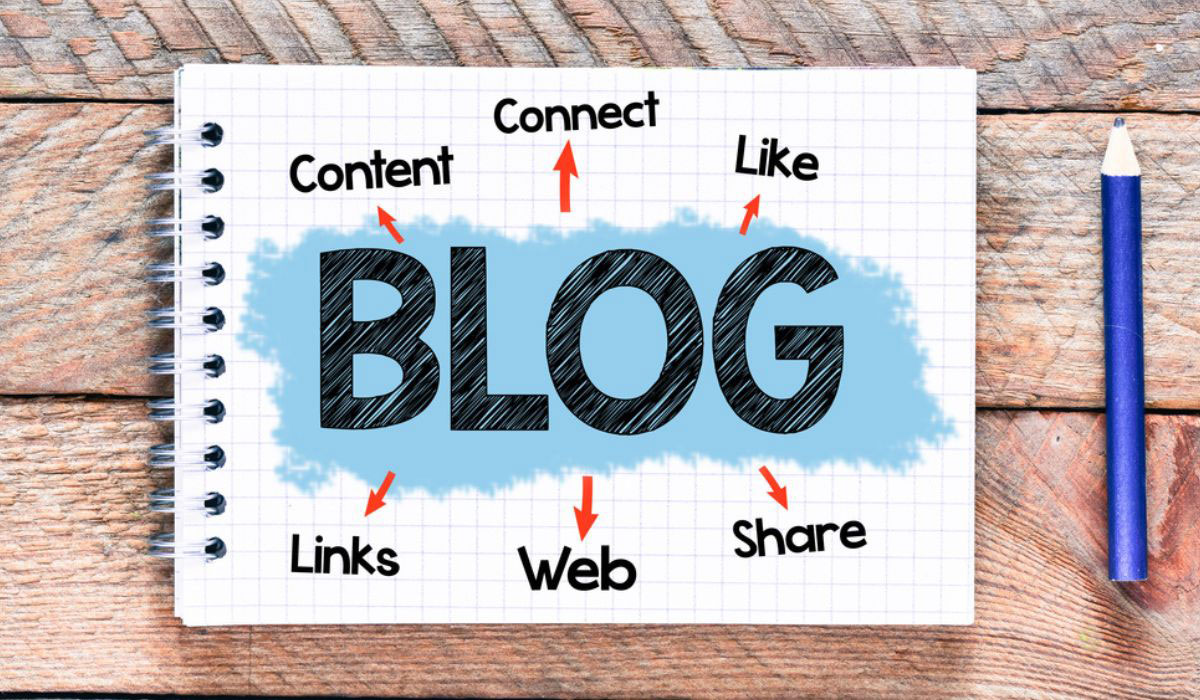
When we hear the word blog, it sounds familiar — but its meaning goes much deeper than just “a website.” A blog is one of the most powerful forms of digital expression ever created. What began as a simple online journal has grown into a global platform for creativity, business, education, and connection. Today, millions of people use blogs to share their passions, teach skills, promote brands, and build online communities that cross borders.
Why a Blog Still Matters Today
The internet is massive, filled with countless platforms like social media, video channels, and podcasts. Yet blogs remain one of the most lasting and meaningful spaces online. Unlike fast-moving social media posts, a blog encourages reflection, storytelling, and depth. It gives writers the freedom to express real thoughts and ideas, and readers a chance to learn or connect at a deeper level. Whether it’s an individual sharing experiences or a company offering insights, the goal stays the same — to inform, connect, and inspire.
Beyond the Definition: The Living Nature of a Blog
A blog goes far beyond its technical definition. It’s not just a website or a set of written posts — it’s a dynamic, evolving space that grows with time. Each post reflects the thoughts, emotions, and experiences of its creator, allowing the blog to develop its own identity. As writers evolve, so do their ideas, and this growth becomes part of the blog’s story. It adapts to trends, technologies, and audience interests, mirroring the culture of its era. Whether it’s used for personal reflection, creative expression, or brand communication, a blog remains a living form of digital storytelling — constantly changing yet preserving the essence of authenticity and human connection.
What Is a Blog?
1.Blog
At its simplest, a blog is a website that regularly publishes new content in the form of posts. These posts typically appear in reverse chronological order — the newest at the top. This structure keeps readers updated with the most recent information first.
Unlike a static website, which remains largely unchanged, a blog evolves constantly. It’s dynamic, active, and adaptable — making it an essential tool for communication, marketing, and personal expression in the digital age.
A blog is also far more than just a website — it’s a living, breathing content platform that reflects personality, expertise, and ideas.
2. The True Meaning of Blogging
Beyond design or layout, blogging is the act of sharing ideas, experiences, and insights through digital writing. It’s a voice in the digital space — one that allows individuals, professionals, and organizations to connect with audiences on a human level.
The word “blog” originates from “weblog,” a term created in the late 1990s when early internet users began logging their activities online. Over time, “weblog” shortened to “blog,” and what began as a casual hobby became a cornerstone of digital communication and modern marketing.
3. The Evolution of Blogging Over Time
Early blogs were simple — often personal diaries where people wrote about daily experiences, hobbies, or opinions. But as the internet expanded, blogging transformed.
By the 2000s, blogs became more professional and diversified, covering topics such as technology, travel, lifestyle, education, and politics. Today, blogging is both an art and a business — serving everyone from passionate creators to major companies seeking to build authority and trust online.
Blogging has evolved into a multi-purpose medium — used for storytelling, education, entertainment, and even sales.
4. The Interactive Power of a Blog
One of the most defining features of a blog is its interactivity. Unlike traditional media — such as newspapers, television, or magazines — blogs allow readers to comment, ask questions, and engage in conversations.
This two-way communication transforms a blog into more than just a platform for publishing content; it becomes a digital community. Readers contribute their opinions, share experiences, and even help shape future posts.
This interactivity is what makes blogging truly powerful — it’s participatory, not passive.
Why Blogging Builds Connection and Community
At its heart, blogging is about building relationships. A successful blog doesn’t just inform; it connects. It’s a space where voices are heard, stories are told, and people find belonging.
Through consistent and authentic blogging, creators establish trust and loyalty with their audience. Over time, this connection can lead to stronger engagement, brand recognition, and even monetization opportunities.
In essence, blogging turns content into community — transforming simple words into meaningful dialogue.
Where You Can Upload Your Blogs?
1. Blogger — The Easiest Way to Start
Google’s Blogger is perfect for beginners who want to publish content quickly without learning technical skills. It’s completely free, easy to set up, and integrates smoothly with other Google tools like AdSense and Analytics. While it’s simple, it does have limited design options, making it best for personal or starter blogs.
2. WordPress — The Most Flexible Option
WordPress is the most popular platform worldwide because of its flexibility and scalability. The hosted version (WordPress.com) is beginner-friendly, while the self-hosted version (WordPress.org) gives you complete control over design, plugins, and monetization. It’s great for professional blogging, business websites, and long-term growth, though it requires a bit of learning and maintenance.
3. Medium — Simple and Reader-Friendly
Medium offers a clean, minimalist platform focused on quality writing. You don’t need to manage hosting or design; just write and publish. It has a large built-in audience that values thoughtful stories and insights. However, customization is limited, and monetization options are fewer compared to other platforms, making it ideal for writers focused purely on content.
4. LinkedIn Articles — Professional Blogging Space
LinkedIn Articles are great for professionals who want to share industry insights, experiences, or thought leadership. Publishing here helps increase visibility among peers, recruiters, and potential clients. The platform supports long-form content and allows easy sharing within your network, making it excellent for career growth and brand authority. However, it’s not designed for full-time bloggers.
5. Choosing the Right Platform
Each platform has strengths — Blogger is fast and simple, WordPress offers control and scalability, Medium focuses on clean storytelling, and LinkedIn connects you with a professional audience. The right choice depends on your goals. If you want long-term growth and monetization, WordPress is best. For easy publishing, Blogger or Medium works perfectly.
Essential Elements?
Understanding what makes this medium unique requires us to look at its defining characteristics. While styles, designs, and purposes may vary, several core features are common across almost all of them.
Reverse Chronological Order
One of the key features of this format is how the content is arranged. The most recent posts are at the top, pushing older ones down the page. This way visitors always see the latest first. It keeps the space fresh and dynamic, which is a big difference from static websites where content rarely changes once published.
Regular Updates
Consistency is what makes this medium come alive. A stream of new content—daily, weekly or monthly—gives people a reason to come back. This rhythm builds trust as readers know they can expect new insights or stories at regular intervals. Unlike one-off sites that never evolve, this commitment to new content builds a loyal following over time.
Personal or Conversational Style
Another giveaway is the tone. Instead of sounding like research papers or technical reports, the language is conversational and friendly. It feels more approachable, almost like a direct conversation between writer and reader. Even in business or professional settings the author’s personality comes through, making the writing feel authentic and warm.
Categories and Tags
To make it easy to navigate most creators categorize their work into categories and tags. Categories are broader themes like “Technology”, “Lifestyle” or “Health” and tags are specifics like “AI tools” or “morning routines”. Together they create an internal map so visitors can find topics that interest them without scrolling forever.
Comments and Interaction
What sets this medium apart from traditional publishing is the ability to interact with readers. Comments allow people to respond, ask questions and share their thoughts. Instead of a one way channel where only the writer speaks, it becomes a conversation. This sense of community not only strengthens the connection but also provides feedback for the creator.
Multimedia Elements
Modern versions of these platforms rarely rely on text alone. Visuals such as images, videos, charts, and infographics help clarify information and make the experience more engaging. Some creators even incorporate podcasts or short audio clips to diversify how ideas are presented. By combining text with multimedia, the overall content becomes more immersive and appealing to a wider audience.
SEO-Friendly Design
Another strength lies in how easily discoverable this content can be. By using structured headings, relevant keywords, and regular updates, these platforms align naturally with the way search engines rank pages. This makes them especially valuable for individuals and businesses looking to attract organic traffic without relying solely on ads. Over time, a well-optimized post can bring in readers months or even years after its original publication.
Evergreen Content
Unlike short-lived social media posts that vanish within hours or days, articles published here can remain useful long after they’re written. For example, a tutorial or guide created several years ago may still solve problems for new readers today. Because search engines continue surfacing relevant material, evergreen content ensures long-term visibility and relevance.
Flexibility of Topics
Perhaps one of the greatest strengths is versatility. Writers are not confined to a single subject unless they choose to be. Some focus on specialized niches like fitness or food, while others explore a wide variety of subjects, from travel to technology. This freedom allows each creator to carve out their own space, attract the right audience, and adapt as their interests or goals evolve.
My Thoughts

When I think about this form of writing, I see it as a space for creativity. It’s where ideas come alive and people share what matters to them. Unlike social platforms where posts disappear fast, this format lasts. Each piece becomes part of a larger story online.
To me, it represents honesty. In a world filled with quick clips and short posts, it allows space for real expression. Writers can explain thoughts clearly and share genuine experiences. Readers connect because it feels sincere and meaningful.
It also gives freedom. You don’t need much to begin — just your ideas and your voice. Many people have started small and built something lasting from that.
This kind of writing is part of our culture too. It captures how people think, live, and feel in a certain time. Years later, others can look back and see what mattered most.
In the end, it’s more than a tool. It’s a way to leave something behind — a reflection of thoughts, emotions, and lessons that stay even as everything else moves fast.
Conclusion

So, what is a blog? It can be many things at once — a website, a journal, a marketing tool, or a creative space. Over time, its meaning has evolved, yet one purpose has stayed constant: connection.
It connects writers and readers, businesses and customers, communities and ideas. A post written today can reach someone across the world tomorrow and remain searchable for years. It gives immediacy through updates and permanence through archives.
In a world that changes fast, the blog has stayed relevant. It began in the early internet era and still thrives today. Whether personal or professional, it remains valuable because it offers what few platforms do — depth, authenticity, and continuity.
The future will bring new designs and tools, but the essence won’t fade. There will always be people using this space to share, teach, and tell their stories.
In the end, a blog isn’t just a digital format. It’s a reflection of human creativity online — proof that behind every post, there’s a voice and a story worth hearing.
FAQs:
1. What is a blog?
A blog is a space where people or brands share content, ideas, or opinions. It can be about anything — from lifestyle and travel to business and technology.
2. Why is it important in 2025?
In 2025, it continues to be a reliable way to grow an online audience, build credibility, and improve digital presence in a competitive market.
3. How does it help with online growth?
It attracts organic visitors, improves SEO rankings, and gives readers reasons to return. Consistent posting builds trust and visibility over time.
4. How can I start one?
Choose a clear topic, select a platform like WordPress or Blogger, write useful posts, and promote them through social media and SEO.
5. What tools make it easier?
Tools like Grammarly help with writing, Canva with visuals, and Yoast SEO with optimization. These simplify content creation and management.
6. How often should I post?
Publishing one or two quality posts per week is enough. Focus on quality rather than quantity to keep readers engaged.
7. Can it help you earn money?
Yes! Monetization options include ads, affiliate links, sponsored posts, and selling online products or courses.
8. What makes one successful?
Consistency, original content, strong SEO, and audience engagement. Successful blogs offer value that keeps readers coming back.
9. How can it boost a brand?
It helps brands showcase expertise, share updates, and connect directly with their audience. Over time, this consistent communication improves trust, loyalty, and brand recognition.
10. What kind of posts perform best?
Guides, tutorials, and trending topics perform best. Visuals, personal insights, and step-by-step explanations also increase engagement and make your content memorable.
11. Is it still relevant today?
Absolutely. It remains one of the strongest tools for visibility, reputation, and audience engagement, offering lasting value beyond fast social content.
12. How can I get more visitors?
Share posts on multiple platforms, optimize for search, and write attention-grabbing headlines. Networking and collaborations also expand your audience reach.
13. Why does SEO matter?
SEO helps your content reach the right readers and improves visibility on search engines. It also supports steady, long-term growth and organic reach.
14. What are common beginner mistakes?
Inconsistent posting, weak structure, ignoring SEO, or skipping promotion are frequent errors. Clear writing and good visuals make a big difference.
15. How can I stay consistent?
Plan ahead with a content calendar and set reminders. Writing in batches can save time and help maintain regular publishing habits.
16. Why does design matter?
A clean, mobile-friendly layout improves reading comfort and keeps visitors engaged. Good images and white space also enhance the experience.
17. What topics are popular in 2025?
Trending areas include AI, personal finance, sustainability, travel, and health. Niche subjects also attract steady, loyal readers over time.
18. Can it replace social media?
No, but it complements it well. Long-form writing provides depth, while social platforms deliver quick visibility and audience interaction.
19. How do I measure performance?
Track engagement, traffic, and conversions using analytics tools. Observing what performs best helps refine future strategy and results.
20. What’s the future of blogging?
Expect more interactive features, visual storytelling, and AI support. Still, genuine ideas and strong writing will always stay central.

Post Comment