Graphic Designing: 5 Powerful Best Tips for Creative Success

Introduction
The world has shifted dramatically. Offices are no longer the only way to build a career. In 2025, more people than ever are working from home, and one profession leading the trend is graphic designing.
Graphic design is everywhere—from the logo on your coffee mug to the banner you see online. Behind every product, campaign, or digital ad, there’s a designer who brought the idea to life. Businesses, entrepreneurs, and creators rely on visuals to stand out in a crowded digital market.
This massive demand makes it possible for anyone with creativity, skills, and determination to earn dollars through graphic designing at home. Whether you’re a student, stay-at-home parent, or someone looking to switch careers, this field offers endless opportunities.
What Is Graphic Designing?
Graphic designing is the art of using visuals to communicate ideas. It blends creativity with strategy to deliver messages effectively. Unlike traditional art, graphic design has a purpose: to solve problems, sell products, or enhance communication.
When you design a logo, you’re not just drawing—you’re creating a symbol that represents a brand’s identity. When you design a social media post, you’re shaping how customers perceive a product.
In simple terms, graphic design is storytelling through visuals. And because storytelling never goes out of style, it’s one of the safest skills to invest in for a long-term career.
Key Features of Earning Dollars Through Graphic Designing at Home
1. Accessibility
All you need is a computer and an internet connection. Free tools like Canva or affordable ones like Adobe Creative Cloud make it easy to start with little investment.
2. Worldwide Market
Your clients don’t have to live next door. Platforms like Upwork, Fiverr, and Freelancer allow you to connect with businesses globally. This means your earning potential is not limited by your local economy.
3. Flexibility
Work at your own pace. Want to design at midnight? No problem. Prefer to work only a few hours a day? That’s fine too. Graphic design fits into your lifestyle.
4. Multiple Income Streams
You’re not tied to one client. You can freelance, sell templates, teach, or even create passive income sources like stock graphics.
5. Creative Freedom
Unlike repetitive jobs, designing allows you to experiment, innovate, and express yourself. Every project is different, keeping your work fresh and exciting.
Practical Ways to Earn Dollars Through Graphic Designing at Home
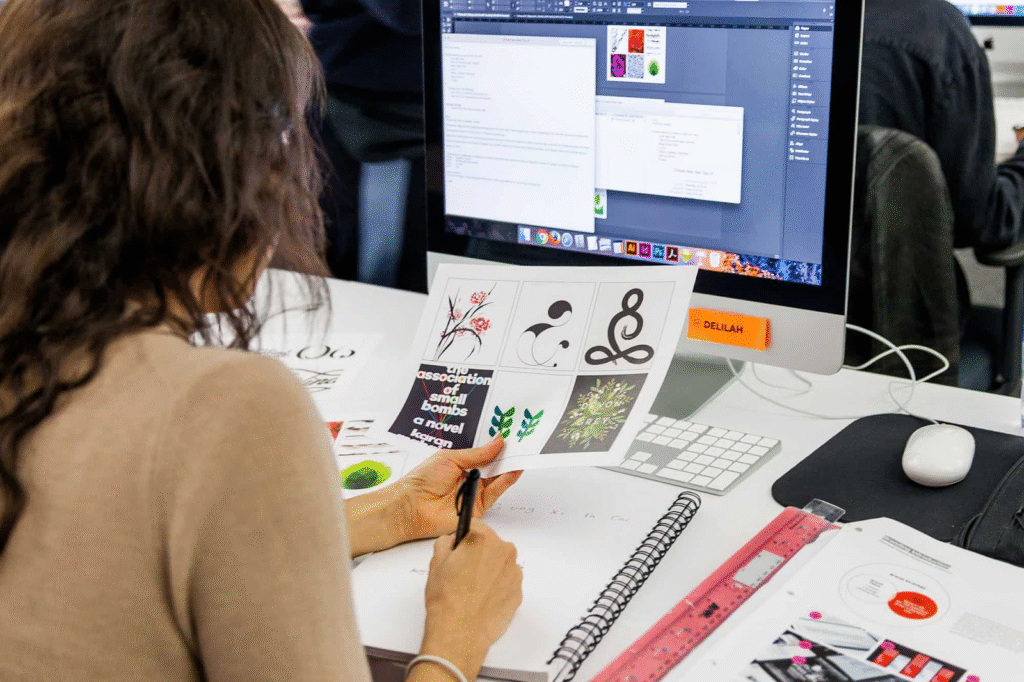
Here’s where things get interesting. Let’s dive into 11 practical and unique methods you can use to build income from home.
1. Freelancing on Global Platforms
Websites like Upwork, Fiverr, and Freelancer connect you with clients worldwide. Businesses constantly post jobs for logo design, web banners, brochures, and more. By creating a strong portfolio, you can consistently find projects and earn dollars through graphic designing at home.
2. Creating and Selling Templates
Not every business can afford a custom design. That’s why templates are in high demand. You can design:
- Social media templates.
- Resume templates.
- Presentation slides.
- Website themes.
Upload them on platforms like Creative Market, Envato, or Etsy and generate passive income.
3. Selling Digital Products
From printable posters to digital planners, people love ready-to-use digital goods. This approach requires upfront effort but offers long-term income with minimal maintenance.
4. Print-on-Demand (POD)
Create t-shirt designs, mugs, phone covers, and more using POD platforms like Redbubble, Teespring, or Printful. You design once, and the platform handles printing and shipping.
5. Social Media Design Services
Businesses want eye-catching posts for Instagram, Facebook, and TikTok. Offering monthly packages for social media graphics can bring recurring income.
6. YouTube Thumbnails & Streaming Graphics
YouTubers and Twitch streamers rely heavily on visuals. By offering custom thumbnails, overlays, and banners, you can tap into this growing niche.
7. UI/UX Design
If you enjoy digital design, UI/UX is a high-paying path. Apps, websites, and software all need intuitive interfaces. Many companies hire remote UI/UX designers with competitive pay.
8. Ebook & Course Material Design
Authors and online coaches need beautifully designed ebooks, workbooks, and course slides. Offering these services can be a lucrative niche.
9. Stock Graphics & Illustrations
Upload your work to Shutterstock, Adobe Stock, or Freepik. Each download earns you money, making this another passive income stream.
10. Teaching & Courses
Once you’ve mastered your craft, teach others. Platforms like Skillshare, Udemy, or even your own YouTube channel can help you monetize your knowledge.
11. Personal Brand & Client Work
Build your own website, share your designs on social media, and attract direct clients. This removes middlemen and gives you full control over pricing.
Skills You Need to Get Started
To succeed and earn dollars through graphic designing at home, focus on these skills:
1. Creativity: The Foundation of All Design Work
The core of design is creativity, which is what turns commonplace concepts into visually arresting and emotionally compelling ones.
A great designer thinks creatively, tries out new looks, and comes up with novel visual ways to convey ideas. Creativity enables you to stand out in a crowded market and make an impression, whether you’re creating a digital advertisement or a brand identity.
2. Technical Proficiency: Master the Right Tools
To make ideas come to life, a designer must be proficient with design software. To produce professional, high-quality work, one must become proficient with industry-standard programs like Adobe Photoshop, Illustrator, and Canva.
These tools facilitate effective image manipulation, vector graphic creation, and layout development. It gets easier to complete complicated tasks quickly and accurately the more skilled you get.
3. Communication: Understand and Deliver on Client Needs
The first step in creating a good design is knowing what you want it to say. Clear understanding of your client’s vision, objectives, and expectations is ensured by effective communication.
This calls for attentive listening, pertinent questioning, and continuous feedback. In addition to avoiding misunderstandings, effective communication fosters enduring bonds and client trust.
4. Time Management: Balance Multiple Projects Efficiently
Meeting deadlines is just as crucial in the fast-paced field of design as producing high-caliber work. You can prioritize tasks, manage several projects, and produce reliable results without burning out if you practice effective time management.
Remaining on course and satisfying customers can be greatly impacted by using productivity tools, establishing reasonable deadlines, and keeping a well-organized workflow.
5. Business Awareness: Grow Your Career Strategically
Designers require a strong grasp of business principles in addition to their artistic and technical abilities. Long-term success, particularly for freelancers, depends on your ability to manage client relationships, set fair prices, and market your services.
You can establish yourself as a reputable, in-demand professional by developing a strong personal brand and staying current with industry trends.
Common Challenges and How to Overcome Them
1. Finding Clients
At first, it’s tough to land projects. Solution: start small, build testimonials, and slowly raise your rates.
2. Handling Revisions
Clients may ask for changes repeatedly. Solution: Set clear revision limits before starting work.
3. Staying Motivated
Working from home can feel isolating. Solution: join design communities online for support and networking.
4. Managing Payments
Sometimes payments get delayed. Solution: Use secure platforms like Upwork or request upfront deposits for private clients.
Best Tools for Graphic Designers at Home
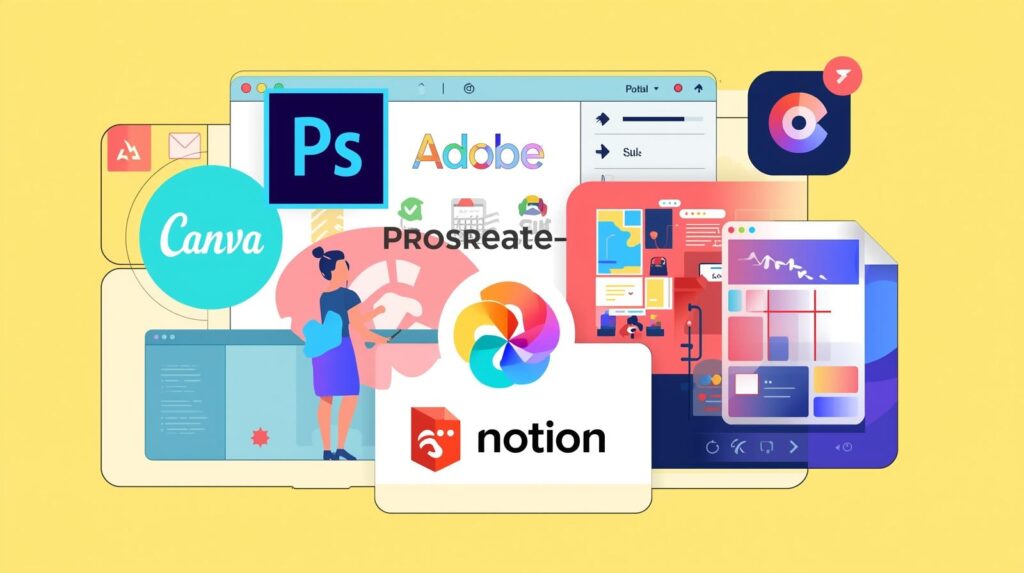
One of the biggest advantages of trying to earn dollars through graphic designing at home is that you don’t need expensive setups to begin. What you do need, however, are the right tools that can simplify your workflow, enhance your creativity, and help you deliver professional-quality results. Below are some of the most effective tools every home-based graphic designer should consider:
1. Canva
Canva is a beginner-friendly design tool that has completely changed the way non-designers and professionals create visuals. Its drag-and-drop interface, ready-made templates, and built-in stock library make it perfect for quick projects like social media graphics, posters, and presentations.
For beginners, Canva is the fastest way to get started without feeling overwhelmed by complex software.
2. Adobe Photoshop & Illustrator
When it comes to professional-grade design, Adobe remains the gold standard. Photoshop is ideal for photo editing, digital painting, and advanced visual effects, while Illustrator is perfect for vector designs like logos, icons, and scalable illustrations.
Mastering these tools is essential if you want to work with high-paying clients and stand out in the global market.
3. Figma
Figma has become the go-to platform for UI/UX designers. Its cloud-based collaboration allows multiple team members to work on the same project in real time, making it excellent for designing websites, apps, and digital products.
With features like prototyping and interactive design, Figma is perfect for designers who want to expand beyond graphics and dive into interface design.
4. Procreate
For iPad users, Procreate is a must-have app. It offers a natural drawing experience with customizable brushes, pressure sensitivity, and layering options. Digital illustrators, concept artists, and those who enjoy sketching on the go can use Procreate to create stunning designs without being tied to a desktop setup.
5. Trello & Notion
Design is not only about creativity—it’s also about organization. Tools like Trello and Notion help you keep track of projects, manage deadlines, and communicate with clients effectively.
Trello uses a card-based system for task management, while Notion is an all-in-one workspace for notes, databases, and workflow planning. Together, they can keep your design business running smoothly.
What Is The Future of Graphic Designing?

The demand for design will only grow. With AI tools like MidJourney or Canva AI entering the scene, some worry about competition. However, AI cannot replace human creativity, empathy, and storytelling. Instead of fearing it, learn to use it as a tool to enhance your workflow.
My opinoin about Graphic designig:

In my opinion, graphic design is a stunning fusion of strategy and art, where imagination and intent come together. Using images to communicate a message, create an identity, and evoke feelings is more important than simply making something look nice. Every design has the capacity to evoke strong feelings, sway perceptions, and motivate action. I find it fascinating that while design is always changing with new tools, trends, and technologies, its fundamental principles of creativity and clarity never change. For me, graphic design is a never-ending learning process where each project pushes me to think creatively, take risks, and keep getting better. It’s a mindset that transforms creativity into powerful visual communication, not just a skill.
Conclusion

In today’s digital economy, learning how to earn dollars through graphic designing at home is one of the smartest steps you can take. The entry barriers are low, the demand for graphic designing is growing rapidly, and the opportunities are endless. With just a computer, internet connection, and creativity, you can start building a rewarding career in graphic designing that matches your lifestyle.
Graphic designing stands out because of its versatility. Every business needs design—logos, websites, social media posts, brochures, and ads. This constant need creates steady opportunities for anyone who can deliver quality graphic designing services. From freelancing and selling templates to building your personal brand, there are countless ways to generate income through graphic designing at home.
The key to success lies in consistency, creativity, and client-focused work. Progress in graphic designing may feel slow at first, but each project strengthens your portfolio and improves your skills. With persistence, your career in graphic designing will steadily grow.
If you’re ready to take control of your time, finances, and creativity, now is the perfect moment to begin. With dedication and passion, graphic designing at home can unlock global opportunities—all while you work comfortably from your own space.
FAQs:
1. What is graphic designing in simple terms?
Graphic designing is the art of combining visuals, text, and ideas to communicate a message effectively through digital or print media.
2. Why is graphic designing important?
It helps businesses and individuals create strong visual identities, attract attention, and communicate their message clearly to the target audience.
3. What inspired you to pursue graphic designing?
I was inspired by the idea of turning creativity into something that influences people’s emotions and decisions through visuals.
4. What skills are essential for a graphic designer?
Key skills include creativity, technical proficiency (in tools like Photoshop and Illustrator), communication, and time management.
5. Which software do graphic designers use most?
Popular tools include Adobe Photoshop, Illustrator, InDesign, and Canva, depending on the type of design work.
6. How do you stay creative in graphic designing?
I stay creative by exploring new design trends, studying other artists’ work, taking inspiration from nature, and continuously learning new techniques.
7. What challenges do graphic designers face?
Common challenges include tight deadlines, creative blocks, and balancing client expectations with artistic vision.
8. How important is feedback in design?
Feedback is essential — it helps refine concepts, improve designs, and align creative ideas with client goals.
9. Can anyone learn graphic designing?
Yes! With practice, patience, and passion, anyone can learn graphic design — creativity grows with experience and experimentation.
10. What do you love most about graphic designing?
I love the freedom to express ideas visually and the ability to create designs that make a lasting impact on people and brands.
11. What makes a design visually appealing?
A visually appealing design balances color, typography, layout, and simplicity while keeping the audience’s preferences and message in mind.
12. How do you handle creative block in graphic designing?
When I face a creative block, I take a short break, explore inspiring designs, sketch ideas freely, or change my environment to refresh my creativity.
13. What role does color play in graphic design?
Color sets the tone and emotion of a design — it can evoke feelings, draw attention, and influence how people perceive a message or brand.
14. How important is typography in design?
Typography gives voice to your visuals. Choosing the right font style and size helps ensure your message is clear, professional, and engaging.
15. What trends are currently shaping graphic design?
Modern trends include minimalist layouts, bold typography, motion graphics, 3D elements, and designs inspired by retro aesthetics.
16. How can a beginner start a career in graphic designing?
Start by learning basic design principles, practicing with free tools, building a portfolio, and showcasing your work on platforms like Behance or Dribbble.
17. How do you deal with difficult clients or revisions?
I approach revisions professionally — listening carefully, maintaining clear communication, and finding solutions that satisfy both creativity and client expectations.
18. Is formal education necessary for becoming a designer?
Not necessarily. While courses help, many successful designers are self-taught through online tutorials, consistent practice, and real-world experience.
19. How can graphic designers market their services?
Designers can promote themselves through social media, personal websites, freelance platforms, and by networking with businesses and creative communities.
20. What advice would you give to aspiring graphic designers?
Stay curious, keep learning, and never fear experimentation. Design is a journey of growth — every project helps you evolve as a creative professional.
tap here to ge more information about us

Post Comment