How to Earn Through Upwork: 7 Powerful Tips for Success

Introduction
People now have more control over their time, money, and career path thanks to freelancing, which has completely transformed the way we work. Instead of being tied to a 9–5 schedule, professionals can now choose projects that align with their expertise and lifestyle.
Among the many freelancing platforms available, Upwork has emerged as one of the most reliable and widely used options. It connects independent contractors with clients across the globe, offering opportunities in diverse fields such as:
- Writing and content creation
- Graphic and web design
- Software and app development
- Digital marketing and SEO
- Customer service and support
From small one-off projects to long-term collaborations, Upwork allows professionals to monetize their skills with both flexibility and security. The platform provides a structured environment where freelancers can:
- Showcase their skills and portfolio
- Bid on projects that fit their expertise
- Build long-term relationships with clients
- Earn securely through escrow and payment protection
Why Choose Upwork?

Upwork’s extensive global reach and diverse range of opportunities make it stand out. The platform is used by millions of companies, ranging from Fortune 500 firms to startups, to hire independent contractors.
Some of the biggest reasons freelancers prefer Upwork include:
- Global Client Base: Access clients in over 180 countries.
- Diverse Job Categories: From design and marketing to programming and consulting.
- Payment Protection: Escrow for fixed projects and time tracking for hourly contracts.
- Flexibility: Choose part-time gigs, full-time projects, or long-term collaborations.
For anyone looking to build a freelancing career, these benefits make Upwork a solid starting point.
Setting Up a Strong Upwork Profile
Your profile serves as both your sales page and digital resume. Your chances of landing a job are significantly increased by having a professional, comprehensive profile.
Key Elements of a Great Profile
- Title and Overview – Be specific (e.g., “SEO Blog Writer” instead of “Writer”) and highlight how you solve client problems.
- Portfolio Samples – Upload real or sample projects that showcase your expertise.
- Professional Photo – A clear, friendly headshot builds trust.
- Relevant Skills and Categories – Pick keywords that align with your services.
- Testimonials – If possible, add feedback from past clients or colleagues.
A well-optimized profile helps you stand out in search results and builds confidence with potential clients.
Understanding How Upwork Works
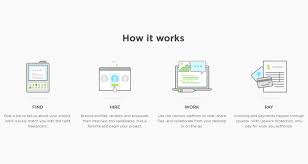
To succeed, you need to know how the system operates. Upwork primarily functions in two ways:
- Job Posts and Proposals: Clients post jobs, and freelancers submit applications.
- Project Catalog: Freelancers create fixed-price service packages that clients can purchase instantly.
Payments are managed securely within the platform. Fixed-price contracts use milestones, while hourly projects are tracked using the Upwork time tracker. This ensures freelancers are paid fairly for their time and work.
Pros and Cons of Working on Upwork
Pros of Working on Upwork
1. Global Marketplace
Upwork connects freelancers with clients from all over the world, giving you access to a wide variety of projects and industries.
2. Flexible Work Opportunities
You can choose projects based on your skills, availability, and interest—whether part-time, full-time, or occasional gigs.
3. Secure Payment System
Upwork’s escrow and hourly payment protection ensure that you get paid for the work you do, reducing the risk of scams.
4. Professional Growth
By working with international clients, you can sharpen your skills, build an impressive portfolio, and gain credibility.
5. Recurring Clients
Good freelancers often build long-term relationships with clients, leading to consistent income.
Cons of Working on Upwork
1. High Competition
Upwork has millions of active freelancers, making it a fiercely competitive platform. Since many clients prefer to work with seasoned professionals who already have positive reviews and high Job Success Scores, beginners in particular face difficulties landing their first few jobs. Because they have to put in more effort to establish their worth, new freelancers face a barrier to entry.
2. Service Fees
Upwork’s service fee structure is one of its main disadvantages. For the first $500 billed with a client, the platform charges a percentage of your earnings, starting at 20%. When you make more money with the same client, the fee drops to 10%, and when you reach $10,000, it eventually drops to 5%. Although the goal of this system is to promote long-term partnerships, freelancers who depend primarily on one-time or short-term projects may find it burdensome. In order to offset these costs, many professionals make adjustments by progressively increasing their rates.
3. Strict Policies
Upwork enforces strict rules to protect both freelancers and clients, but these policies can sometimes feel restrictive. For instance, all communication and payments are required to stay on the platform, and sharing personal contact details too early in the process may result in warnings or even suspension. While these measures are in place to reduce fraud and maintain trust, they can limit flexibility for freelancers who are used to working more independently.
4. Rate Pressure
Another common issue on Upwork is the pressure to lower rates. Because clients come from different parts of the world, many are looking for the most affordable option rather than the most skilled freelancer. This often leads to underpricing, especially in categories where competition is extremely high.
For new freelancers, the temptation to reduce rates just to land a job can be strong, but in the long term, it may hurt their earning potential. Experienced freelancers overcome this by building credibility and positioning themselves as specialists rather than generalists.
5. Time-Consuming Bidding
Finding projects on Upwork can be a time-intensive process. Freelancers often spend hours browsing listings, customizing proposals, and waiting for client responses. For newcomers, this can feel discouraging, especially when proposals do not lead to job offers. The bidding process requires patience and persistence, but with consistency, freelancers eventually develop strategies to identify the right projects quickly and increase their success rate in landing jobs.
Writing Proposals That Win Jobs
A proposal is your chance to convince a client you are the right fit. Generic messages rarely work; instead, craft tailored, professional responses.
Tips for Effective Proposals
1. Personalize the Opening
Begin your proposal by mentioning the client’s name or specific job details. This small touch shows that you’ve carefully read their post and are genuinely interested in their project. Personalization helps you stand out from generic copy-paste proposals.
2. Show Value
Focus on how you can solve the client’s problem. Explain the results you’ll deliver and how your skills will make their project easier, faster, or more effective. Clients are drawn to freelancers who understand their goals and provide real solutions.
3. Highlight Relevant Experience
Share examples of similar work you’ve done in the past. Include brief details, links, or outcomes that prove your ability to handle the project successfully. Relevant experience builds trust and shows that you’re capable of delivering high-quality results.
4. Be Clear and Concise
Keep your proposal short and easy to read. Avoid unnecessary details or repetitive statements. Clarity and precision show professionalism and respect for the client’s time.
5. End with a Call to Action
Close your proposal confidently by encouraging the client to take the next step—whether it’s replying, asking questions, or scheduling a quick chat. A simple, friendly call to action helps you start the conversation and increases your chances of landing the job.
Strong proposals demonstrate attention to detail and increase your chances of standing out in a competitive environment.
Popular Job Categories on Upwork
Upwork has opportunities for nearly every professional skill. Some of the most in-demand categories include:
Writing & Translation
Offer a range of content services such as blog writing, copywriting, editing, and translation. Whether it’s crafting engaging articles or refining brand messaging, strong writing skills help clients communicate effectively and professionally.
Design & Creative
Provide graphic design, illustration, video editing, and UI/UX design services. Creativity and visual storytelling help brands stand out and connect with their audience through powerful, polished visuals.
IT & Development
Specialize in web development, app development, and software engineering. Technical expertise allows you to build efficient, secure, and user-friendly digital solutions tailored to client needs.
Marketing & Sales
Focus on SEO, social media marketing, paid advertising, and lead generation. These services help businesses grow their online presence, reach target audiences, and increase revenue effectively.
Admin Support
Offer data entry, transcription, customer service, and virtual assistance. Reliable administrative support ensures smooth business operations and helps clients stay organized and productive.
Finance & Business Consulting
Provide bookkeeping, accounting, and strategic planning services. Strong financial management and business strategy help clients make informed decisions and achieve long-term growth.
Identifying your niche helps you target the right clients and grow faster.
Building Your Reputation
Reputation is critical to long-term success on Upwork. Clients rely heavily on reviews, ratings, and the Job Success Score when deciding who to hire.
To build a strong reputation:
1. Deliver Work on Time
Always meet deadlines and aim to exceed client expectations. Timely delivery builds trust and increases your chances of getting repeat work or positive reviews.
2. Communicate Clearly and Professionally
Keep your communication open, polite, and to the point. Clear communication helps avoid misunderstandings and shows clients that you’re reliable and easy to work with.
3. Start Small and Build Reviews
If you’re new to freelancing, begin with smaller projects to gain experience and positive feedback. Strong reviews make it easier to attract higher-paying clients in the future.
4. Maintain Professionalism in Every Situation
Even when challenges arise, stay calm and respectful. Professionalism during difficult situations demonstrates maturity and can strengthen your reputation as a dependable freelancer.
As your reputation grows, you’ll gain access to better-paying clients, invitations, and long-term contracts.
Pricing Your Services
The Challenge of Setting Prices
It can be difficult to figure out the right price. You risk undervaluing yourself if your prices are too low, and alienating potential clients if your prices are too high.
Start with Competitive Rates
It’s a good idea to start competitively when you first join the platform. Setting lower prices can help you land your first few jobs, get reviews, and win over clients who might be hesitant to pay more for a newcomer.
Gradually Increase Your Rates
As you collect positive feedback and develop confidence, you can progressively raise your rates. This ensures your pricing reflects your growing expertise and positions you as a more experienced freelancer.
Hourly vs. Fixed-Price Contracts
You can experiment with both hourly and fixed-price contracts, depending on the type of work you’re doing. While fixed-price contracts function best when the scope is clear from the start, hourly projects are best for ongoing or ambiguous work.
Finding the Right Balance
Over time, you’ll strike a balance that reflects your value while still being attractive to high-quality clients. This balance is key to maintaining steady work and scaling your earnings on Upwork.
Common Challenges on Upwork
Dealing with Intense Competition
With thousands of freelancers bidding on projects, standing out can feel overwhelming. Newcomers often struggle to secure their first few jobs, but persistence and strong proposals make a big difference.
Managing Client Expectations
Not every project will go as planned, and some clients might have unrealistic or very low expectations. Learning how to communicate clearly and set boundaries is essential to avoid burnout and frustration.
Staying Consistent as a Freelancer
The process of thriving on Upwork involves more than just landing jobs. Freelancers must learn to eliminate unattainable goals, manage their time efficiently, and deliver quality work consistently. Success comes with patience and steady effort.
Conclusion

There is more to learning how to make money on Upwork than simply creating an account and placing bids on jobs. It calls for developing a distinctive profile, crafting tailored proposals, establishing a solid reputation via superior work, and consistently honing your craft. Even though there is competition and difficulty, freelancers who maintain consistency and professionalism frequently make Upwork a reliable source of income.
FAQs:
How can I earn money on Upwork as a beginner?
You can start by creating a strong profile, showcasing your skills, and applying for small projects. Once you build positive reviews, you can move to higher-paying jobs and long-term clients.
What skills are most in demand for freelancers online?
Skills like web development, graphic design, content writing, SEO, and digital marketing are always in demand across freelance platforms.
How do I create a portfolio if I have no prior experience?
You can create sample projects that show your abilities or offer discounted work initially to gather testimonials and build credibility.
Is freelancing a reliable source of income?
Yes, with consistent work quality, client communication, and smart time management, freelancing can become a steady income stream.
How do I attract high-paying clients?
Focus on professional branding, niche expertise, and strong client communication to justify premium rates.
What should I include in my freelancer profile?
Highlight your top skills, past work, certifications, and a professional photo. A compelling description helps clients trust you.
How can I write a winning job proposal?
Address the client’s needs directly, keep it concise, show relevant experience, and include a short custom sample if possible.
How do I set the right rates for my work?
Research market averages for your skill and start with competitive rates. Gradually increase them as your reputation grows.
Can I work full-time as a freelancer?
Absolutely. Many professionals turn freelancing into their full-time career once they have a stable client base.
How do I handle multiple projects efficiently?
Use project management tools, set clear deadlines, and communicate regularly with clients to manage workloads effectively.
What are the best ways to receive payments safely online?
Always use secure payment systems offered by legitimate freelance platforms to protect your earnings.
How important are client reviews?
Very important—good reviews improve your profile ranking and help new clients trust your services.
What should I do if a client doesn’t pay?
Use the platform’s dispute resolution or escrow system. Avoid working outside verified payment channels.
How can I improve my freelance reputation quickly?
Deliver high-quality work on time, communicate clearly, and request feedback from satisfied clients.
Should I specialize or offer multiple services?
Specializing often helps attract targeted clients willing to pay more for expertise, but you can diversify over time.
How do I stay motivated while freelancing from home?
Set daily goals, maintain a consistent routine, and separate your workspace from your personal space.
What mistakes do new freelancers usually make?
Underpricing their work, ignoring client communication, and failing to showcase skills are common beginner mistakes.
Can freelancers build long-term client relationships?
Yes, by maintaining professionalism, reliability, and delivering consistent quality, many freelancers gain repeat clients.
How can I balance freelancing with a full-time job?
Start part-time, schedule fixed hours, and gradually increase your freelance work as you gain stability.
What’s the best way to grow as a freelancer long-term?
Keep upgrading your skills, learning new tools, and networking with other professionals to stay competitive.
tap here to get more information about us



Post Comment