Affiliate Marketing: How to Earn by Promoting Products Online
Introduction:
What Makes Affiliate Marketing Unique?
Affiliate marketing allows people to earn online without worrying about creating or managing products. Unlike traditional businesses that require inventory, warehouses, or customer support, affiliates only focus on connecting buyers with sellers. This simplicity is what makes it such an attractive online income source.
Growing Popularity in the Digital Economy
In today’s digital age, millions of people shop online every day. Businesses constantly need new ways to reach customers, and affiliates help fill that gap. By promoting through blogs, YouTube, or social media, affiliates become part of the global e-commerce ecosystem—earning while helping brands grow.
What Is Affiliate Marketing?
The Basic Concept
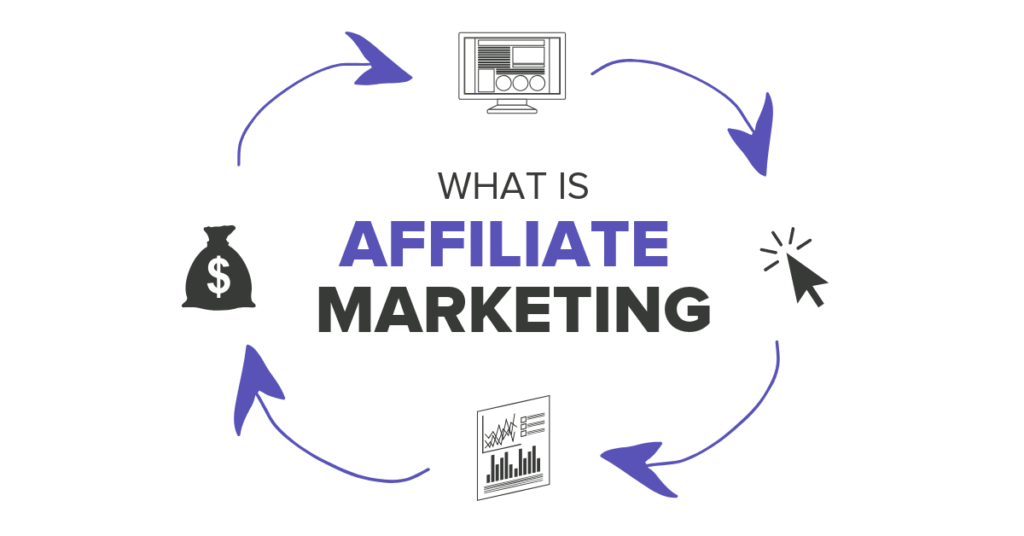
Affiliate marketing works on performance. Affiliates are only paid when they deliver a result—like a sale, lead, or subscription. This ensures that businesses spend money wisely, while affiliates have unlimited earning potential.
Why It Works So Well
This model succeeds because it’s a win-win. Companies reduce advertising costs, while affiliates are rewarded for their influence and creativity. It removes financial risks for both sides, making it sustainable in the long run.
Real-Life Examples of Affiliate Marketing
Fitness Industry Example
A fitness blogger writing about diet plans might include affiliate links for protein powders or workout gear. Readers trust advice that aligns with their health goals, making them more likely to buy.
Technology Industry Example
Tech YouTubers often earn thousands by reviewing laptops, smartphones, and accessories. Since people research heavily before buying expensive products, affiliate reviews play a big role in purchase decisions.
Lifestyle Industry Example
Influencers on Instagram or TikTok often partner with beauty, fashion, or home brands. Their short videos or reels showing real-life use cases boost trust and encourage followers to buy.
Why Affiliate Marketing Is Popular?
Low Startup Costs
Unlike opening a store or starting a brand, affiliate marketing requires no money for products, packaging, or shipping. A website domain, free blog, or social account is often enough to begin.
Accessibility for Beginners
Even those with little technical knowledge can start. Affiliate platforms provide step-by-step instructions, banners, and tools that make promotion easier.
Passive Income Opportunities
Once published, your content works around the clock. An old YouTube review or blog post can still bring in affiliate commissions years later, creating a true passive income stream.
Flexibility and Freedom
Work from Anywhere
All you need is a laptop and internet connection. Many affiliates build businesses while traveling, making this one of the most location-independent income streams.
Control Over Your Schedule
There are no bosses or fixed working hours. You decide when to create, promote, or analyze results—whether that’s late at night, early morning, or weekends.
Choosing What to Promote
From fashion to software, the freedom to pick niches you enjoy keeps motivation high. Promoting something you genuinely like also increases credibility with your audience.
How Affiliate Marketing Works?
Step 1: Join an Affiliate Program
You can sign up for free on platforms like Amazon Associates, ClickBank, or CJ Affiliate. These platforms list thousands of products across industries, giving you many options to promote.
Step 2: Promote Products with Tracking Links
Each product has a special link that identifies you as the promoter. This allows the company to know exactly which affiliate generated the sale.
Step 3: Earn Commissions Automatically
After a sale, your earnings are tracked in your affiliate dashboard. Some programs pay monthly, while others pay weekly or even daily once you reach minimum payouts.
Commission Rates in Affiliate Marketing
Physical Products
Most online stores, like Amazon, offer 2–10% commissions. While smaller per sale, physical goods sell in higher volumes—making them a reliable choice for beginners.
Digital Products
Courses, eBooks, or software can offer commissions of 30–70%. Since delivery costs are zero, companies can afford to share higher profits with affiliates.
Subscription Models
Recurring commissions are powerful. For example, promoting a $50/month software subscription at 30% commission earns you $15 every month—as long as the customer stays subscribed.
Where to Promote Affiliate Links?

Blogging
Blogging is one of the most effective and long-term methods for promoting affiliate products. Well-written articles such as “Top 10 Gadgets for Students” or “Best Travel Accessories for 2025” can rank on Google and bring traffic for months or even years. The advantage of blogging is that once your content ranks through SEO, it keeps working for you around the clock. Adding comparison posts, product roundups, and in-depth reviews can make blogs even more powerful. For example, a blog post titled “Best Budget Laptops Under $500” can attract readers who are already ready to buy, making it easier for them to click on your affiliate link.
YouTube
YouTube is a massive platform for affiliate marketing because video content allows audiences to see products in action before making a purchase. Tutorials, unboxing videos, and product reviews build strong trust since people often watch multiple reviews before buying. A YouTuber reviewing a smartphone can earn commissions through links in the video description, while tutorial channels teaching “how-to” guides (like “How to Build a Gaming PC”) can link parts and accessories. The added bonus is that YouTube videos often rank on both YouTube’s search and Google’s search, doubling your chances of visibility.
Other Social Media Platforms
Social media channels like Instagram, TikTok, and Facebook are perfect for quick and engaging promotions. Short-form video content, reels, and stories make product recommendations feel natural and personal. For instance, an Instagram influencer can share a beauty routine and include affiliate links in their bio, while a TikTok creator might share “Top 5 Amazon Finds” with shoppable links. Facebook groups and pages focused on specific niches, like parenting or fitness, also work well since they bring together communities with shared interests. Adding visuals, short videos, and real-life use cases makes affiliate promotions more engaging and trustworthy.
Email Marketing
While often overlooked, email marketing is one of the most powerful ways to drive affiliate sales. Emails go directly to people who already follow you, which means they are more likely to trust your recommendations. You can send product reviews, “best-of” lists, or seasonal deals directly to subscribers. For example, a weekly email titled “Top Tech Deals of the Week” with affiliate links can lead to consistent sales. Since email builds a direct relationship with your audience, conversions are often higher compared to social media.
Podcasts
Podcasts are another growing channel for affiliate marketing. By recommending products during an episode and sharing affiliate links in show notes, podcasters can monetize their audience without relying on ads. For example, a fitness podcast might recommend workout apps or supplements, while a travel podcast could promote backpacks, hotels, or booking services. Loyal listeners are often highly engaged, which leads to better conversions.
Role of SEO in Affiliate Marketing

Attracting the Right Audience
SEO ensures your content reaches people already searching for products. This increases your chances of making sales without needing ads.
Increasing Visibility
By ranking higher on search engines, your content gains consistent traffic. Unlike ads that stop when you stop paying, SEO-driven content keeps performing.
Boosting Conversions
SEO isn’t just about traffic—it’s about targeting the right keywords, writing helpful guides, and making the buying process easier for visitors.
Benefits of Affiliate Marketing
Flexibility of Work
It’s adaptable to any lifestyle—students, parents, or full-time workers can all make it fit their schedules.
Scalability of Income
With effort, one blog can grow into a full business. Many top affiliates earn six figures by scaling across multiple niches.
Building Trust and Authority
By consistently recommending useful products, you become a go-to source. Over time, this trust makes affiliate marketing even more profitable.
Challenges of Affiliate Marketing
Competition
Popular niches like tech and health have tough competition. Success comes from offering unique value, like personal experiences or in-depth guides.
Building Trust
Audiences can quickly spot if you’re only promoting for money. Honest reviews and transparency help overcome this.
Time and Patience
Affiliate income is often slow at the start. Building traffic, content, and trust takes months, but it pays off in the long run.
Tips to Succeed in Affiliate Marketing
Choosing the Right Niche
Pick a niche that balances passion with profit potential. High-demand niches with evergreen products are the most reliable.
Creating High-Quality Content
Content is king in affiliate marketing. The more detailed and useful your guides, reviews, or comparisons, the higher your sales.
Building Visibility and Trust
Social proof, testimonials, and personal experience can boost credibility. Engaging with your audience builds long-term trust.
Consistency and Promotion
Updating old posts, sharing content on multiple channels, and tracking analytics ensures continuous growth.
Examples of Affiliate Marketing in Action
Blogging Example
A food blogger posts “Best Kitchen Gadgets Under $50” with affiliate links. As readers click and buy, they generate steady income.
YouTube Example
A creator reviews a popular DSLR camera. Every time a viewer buys from the description link, the affiliate earns a commission.
Social Media Example
A travel influencer shares must-have gear for travelers on TikTok, adding affiliate links in bio. Their loyal following converts into sales.
The Future of Affiliate Marketing

Rising Online Shopping Trends
With global e-commerce sales climbing every year, affiliate marketing demand will only increase. More businesses are launching affiliate programs to reach buyers.
Social Media + Affiliate Growth
Social platforms are introducing direct shopping tools, making it easier for influencers to drive sales. TikTok Shop and Instagram Shopping are key examples.
AI and Technology in Affiliate Marketing
AI tools help affiliates find the right keywords, write better content, and predict buyer behavior—giving affiliates a major advantage.
Final Thoughts
Affiliate marketing is not only beginner-friendly but also one of the most sustainable online business models. With low costs, passive income potential, and freedom to choose your niche, it’s a powerful way to earn online. The key is to stay consistent, build trust with your audience, and keep creating value-driven content. Over time, affiliate marketing can turn from a side hustle into a long-term income source and financial freedom.
tap here to get more information about us

Post Comment